English
 简体中文
简体中文 لالعربية
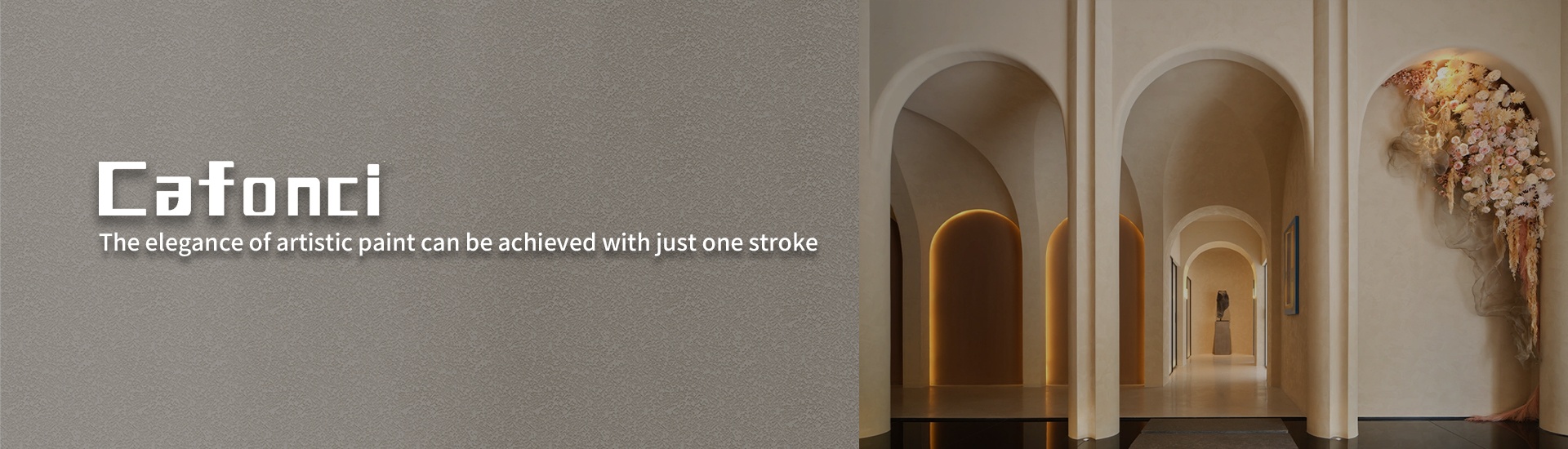
.jpg "Why Art Paint Was Once a ‘Frivolous Trend’—Until It Revolutionized How We Live in Our Homes(Image1)")
Imagine walking into a home where the walls aren’t just white or beige—they’re a canvas of soft, veined textures reminiscent of marble, or a matte metallic gray that shimmers in the afternoon light, or even a hand-painted mural of forest foliage that makes you feel like you’re stepping into a fairy tale. This is the magic of art paint, a product that’s now a staple in modern home design. But go back 50 years, and you’d find a very different story: art paint was dismissed as a “frivolous trend,” a luxury reserved for fancy hotels or the homes of the ultra-wealthy, with no place in the average family’s functional, no-nonsense living space. How did something once seen as unnecessary become a revolution in how we live? To understand the shift, we need to look at the evolution of paint itself. For much of the 20th century, household paint was all about utility. Latex and oil-based paints dominated the market, prized for their durability, easy application, and low cost. The goal was to cover walls evenly, hide imperfections, and resist stains—style was an afterthought. Art paint, which includes techniques like faux finishing (marble, wood grain), textured coatings, and custom murals, emerged in the 1960s and 70s as a way to add “drama” to commercial spaces. But for residential use? It was seen as impractical. Why spend extra money on a wall that would get scuffed by kids’ toys or splattered by dinner? Critics called it “decorative excess,” a trend that would fade as quickly as it arrived. But the 1980s and 90s brought a seismic shift in how we think about our homes. First, technology improved. Art paint manufacturers started developing formulas that were as durable as traditional paints—stain-resistant, washable, and long-lasting. Suddenly, that beautiful faux suede wall in the living room could handle a spill from the dog’s water bowl. Second, design trends moved away from minimalism and towards personalization. The rise of interior design shows (think “Trading Spaces” in the U.S.) made homeowners realize that their walls could be more than a backdrop—they could be a statement. People grew tired of the “cookie-cutter” homes built in the post-war boom; they wanted spaces that reflected their personalities, hobbies, and memories. Third, and most importantly, our relationship with our homes changed. The 21st century brought remote work, longer hours spent indoors, and a greater emphasis on mental health. Home wasn’t just a place to sleep—it was a sanctuary, a place to recharge, and a way to express who we are. Art paint fit perfectly into this new narrative. It wasn’t just about making walls look pretty; it was about creating an emotional connection. A parent might choose a hand-painted galaxy mural for their child’s room to spark curiosity. A couple might opt for a soft, textured cream paint in the bedroom to evoke calm. A young professional might pick a bold, geometric pattern in the home office to boost creativity. These choices aren’t frivolous—they’re intentional. They turn a house into a home. Research backs this up. A 2023 survey by the National Home Decor Association found that 72% of homeowners who used art paint said it made their space feel “more personal” and “warmer” compared to traditional paint. Interior designer Emily Carter, who specializes in residential spaces, puts it this way: “Art paint is the bridge between art and everyday life. You don’t have to buy a $10,000 painting to have art in your home—you can paint it on the walls. It’s accessible, customizable, and it tells a story.” Take Sarah, a 34-year-old teacher from Chicago. She used a textured, sage-green art paint in her small apartment’s living room. “Before, the walls were plain white—they felt cold, like a hospital,” she says. “Now, the texture adds depth. It makes the space feel bigger, but also cozier. My friends always say it’s the first thing they notice when they come over.” Or Mark and Lisa, a couple in Denver who used a metallic bronze art paint in their fireplace surround. “We wanted something that would stand out without being overwhelming,” Mark explains. “The metallic finish catches the light from the fire, and it’s become the focal point of the room. It feels like a piece of art, but it’s part of the house.” The revolution goes beyond aesthetics. Art paint has also changed how we use space. Small apartments, which make up a growing percentage of urban housing, benefit from art paint’s ability to add visual interest without taking up physical space. A light, textured paint can make a tiny bedroom feel more open; a dark, matte paint can turn a closet into a cozy reading nook. For families, art paint is durable enough to handle the chaos of daily life—most formulas are scrubbable, so you can wipe away crayon marks or coffee spills without ruining the finish. And for empty-nesters, art paint is a way to refresh their homes without a full renovation. A new coat of art paint on the dining room walls can make the space feel new again, without the cost or hassle of tearing down walls. So why did art paint go from frivolous to revolutionary? Because it adapted to what we need most: a home that’s not just functional, but meaningful. It’s a reminder that design isn’t about following trends—it’s about creating spaces that make us feel alive. The next time you look at a wall painted with art paint, remember: it’s not just paint. It’s a story, a feeling, a piece of who we are. And that’s why it’s here to stay.