English
 简体中文
简体中文 لالعربية
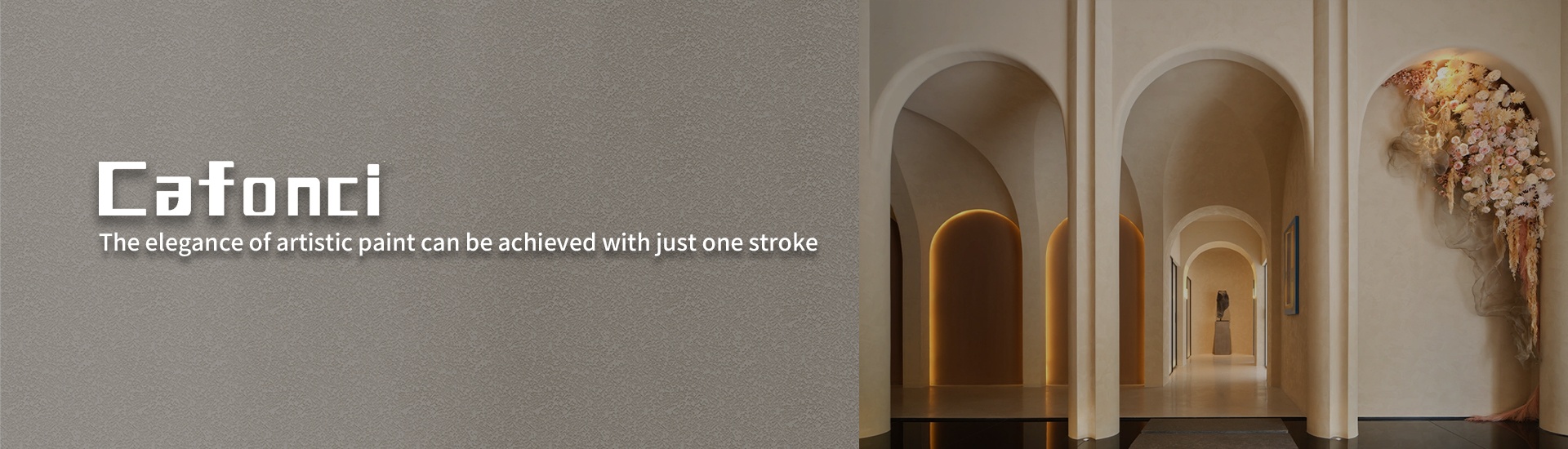
.jpg "The Unseen Power of Art Paint: How It Turns Walls Into Storytellers (And You Never Noticed)(Image1)")
Imagine walking into a cozy neighborhood café. You order a latte, sit down, and glance at the wall beside you. It’s not just paint—it’s a soft, mossy green with faint brushstrokes that look like tree bark. Without realizing it, you relax: the wall feels like a forest, like childhood hikes with your dad. That’s art paint at work—quiet, invisible, telling a story you didn’t even know you were listening to.
We often think of art as something hanging on walls, but art paint *is* the wall. It’s the texture that mimics aged plaster in a 100-year-old bookstore, making you feel like you’re surrounded by stories written decades ago. It’s the deep, burnt orange in a family’s dining room—mixed with tiny flecks of gold—that echoes the warmth of Thanksgiving dinners past. Art paint doesn’t shout; it whispers. And those whispers stick.
Let’s talk about texture first. A few years ago, I visited a restored cottage in Vermont. The living room wall was covered in “lime wash,” a traditional art paint made from limestone and water. It had a chalky, uneven finish—like the wall had breathed for a century. The owner told me: “When I run my hand over it, I feel the farmers who built this place, the kids who drew on it with crayons, the storms that faded its color.” Texture isn’t just about touch; it’s about time. Art paint preserves history in its cracks and crevices, turning a wall into a timeline you can *feel*.
Then there’s color—though not the flat, store-bought kind. Art paint uses “layers”: a base of soft blue, then a wash of gray, then a dry brush of white. The result? A color that shifts with the light. I once helped a friend paint her son’s bedroom with “chameleon paint”—a pale yellow that deepens to gold at sunset. She said: “Every evening, when he’s reading, the wall glows like the sunsets we saw at the beach last summer. He doesn’t know why he loves his room so much—but I do.” Color in art paint isn’t static; it’s a mood, a memory, a feeling you can’t put into words.
And then there’s the “imperfect” stuff—the drips, the smudges, the uneven edges. Last year, a local bakery in my town used “milk paint” for their front wall. It’s a water-based paint that chips slightly over time, like old wood. The owner laughed when I pointed it out: “I wanted it to look like it’s been here forever, like grandma’s kitchen. People come in and say, ‘This place feels like home.’ They don’t know it’s the paint—but it is.” Imperfection is art paint’s secret weapon. It makes walls feel human, like they’ve lived.
But here’s the thing: we rarely notice. We walk past a café wall and feel calm, but we don’t link it to the paint. We sit in a friend’s living room and feel happy, but we don’t think about the texture. Art paint works in the background, shaping our emotions without us realizing. It’s the unsung hero of interior design—turning empty walls into storytellers.
Take my neighbor, Mrs. Henderson. She’s 82, and she’s lived in her house since 1957. Last year, she decided to repaint her hallway—but instead of buying regular paint, she used “distressed art paint” that mimics the original 1950s finish. When I asked why, she said: “Every time I walk down that hall, I see my kids running to the door, my husband hanging Christmas lights, the day we brought our first dog home. The paint doesn’t just look old—it *feels* old. It keeps our stories alive.”
Or the new co-working space downtown. They used “geometric art paint”—subtle lines and shapes in muted greens and grays. The designer told me: “We wanted people to feel focused but not stressed. The lines guide the eye, but they’re soft enough to not be distracting. It’s like the wall is saying, ‘You’ve got this.’” Art paint doesn’t just decorate—it communicates.
And let’s not forget outdoor spaces. A local park has a mural painted with “weather-resistant art paint” that changes slightly with rain and sun. The artist said: “I wanted the mural to grow with the park. When it rains, the colors deepen—like the park is breathing. When the sun shines, they light up—like the park is smiling. It’s a story that never ends.” Art paint even tells stories outside, connecting us to nature and place.
So why do we miss it? Because art paint is designed to be *integrated*, not isolated. It’s part of the space, not a separate piece. It’s the difference between a wall that’s “painted” and a wall that’s “alive.”
Next time you walk into a café, a bookstore, or a friend’s house, take a second look at the walls. Run your hand over them. Notice the texture, the color, the imperfections. You might just hear a story—quiet, gentle, and completely unforgettable. That’s the unseen power of art paint: turning walls into storytellers, one brushstroke at a time. And you never even noticed.
But now you will.