English
 简体中文
 لالعربية

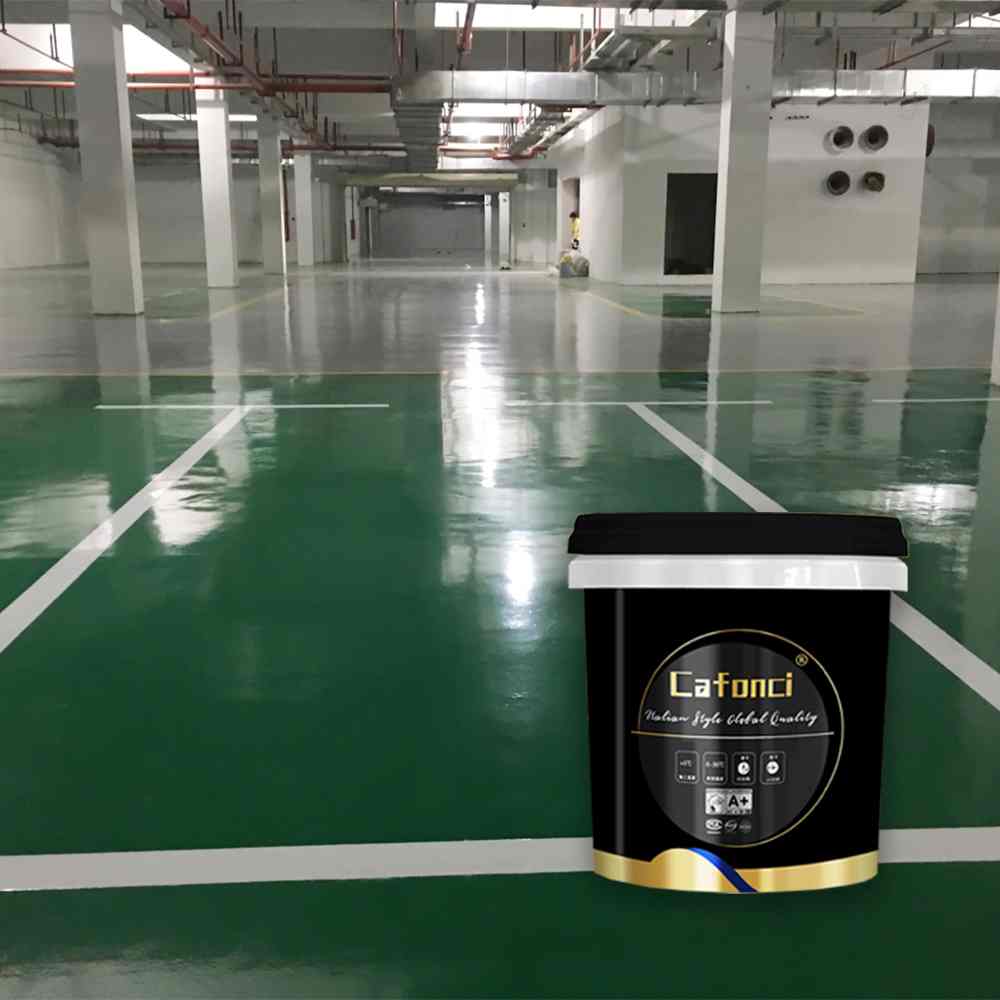
When choosing epoxy floor coating for factories, the first step is to clarify core operational demands that differ drastically from residential or commercial spaces: constant heavy forklift traffic, heavy equipment rolling, frequent impact from dropped parts, accidental chemical spills from raw materials or cleaning agents, and potential slip risks in wet processing areas.
Among all available epoxy options, 100% solids high-build epoxy coating stands out as the top all-round pick for most general manufacturing and warehouse factories. This zero-VOC, solvent-free formula forms a 2-5mm thick seamless film after curing, which can withstand 2 to 3 tons of rolling load per square centimeter without cracking or peeling. Its non-porous seamless surface stops oil, industrial dust and small liquid spills from seeping into the base concrete, making daily mopping and cleaning 70% easier than bare concrete floors.
For factories running heavy stamping, forging or heavy machinery assembly lines that face frequent sharp impact and heavy abrasion, polyurethane modified hybrid epoxy coating is a better upgrade. The added polyurethane component enhances the coating’s scratch resistance and flexibility by more than 40% compared to standard pure epoxy, so it will not crack even when heavy steel parts are dropped directly on the floor surface.
For food processing, beverage or laundry factories with constant wet operating areas, aggregate infused anti-slip epoxy coating is the optimal choice. Fine quartz or carborundum particles are mixed into the epoxy formula before application, creating a textured non-slip surface that reduces slip and fall accidents by over 85% even when the floor is covered with water, grease or food residue. Most of these products also meet FDA food contact safety standards, which fit strict industry compliance requirements.
For pharmaceutical, chemical processing or battery manufacturing factories that often face spills of strong acid, strong alkali or organic industrial solvents, novolac epoxy coating is the most specialized option. Its unique cross-linked molecular structure can resist more than 98% of common industrial corrosive chemicals, and will not blister or degrade even after years of repeated contact with corrosive liquids.
When making the final selection, avoid cheap solvent-based epoxy coating, which releases high volumes of VOC that are harmful to on-site worker health and may trigger fire risks in production areas. It is also recommended to match the coating choice with professional surface polishing and primer treatment on the base concrete, to extend the service life of the epoxy floor to 10 to 15 years, cutting long-term floor maintenance cost and reducing unplanned production downtime caused by floor damage.