English
 简体中文
简体中文 لالعربية
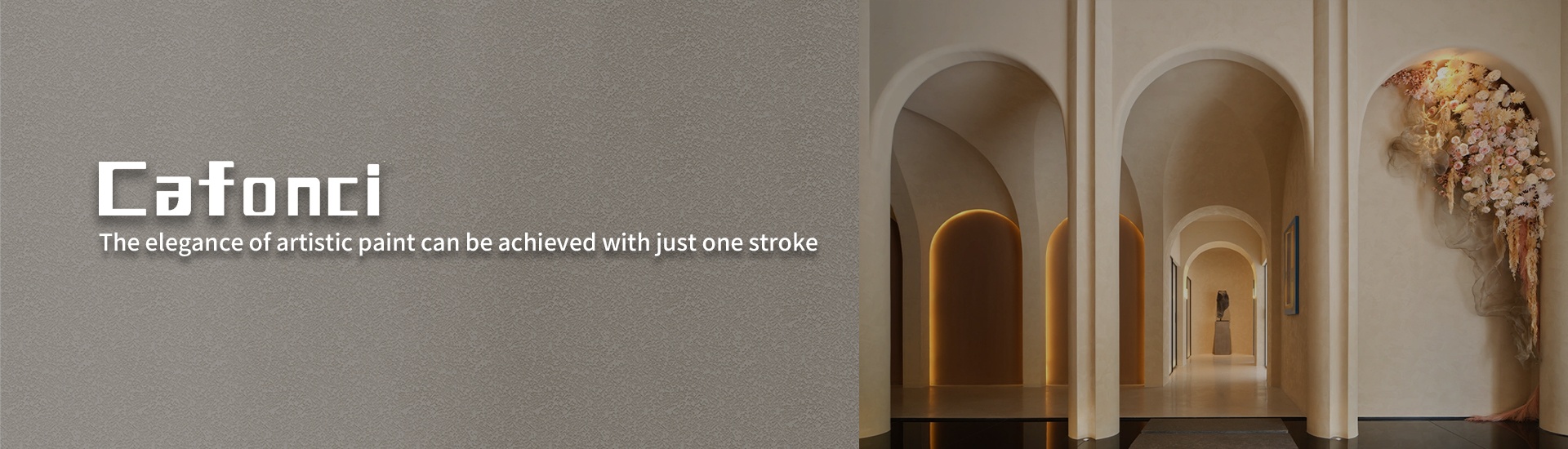
Textured paint for interior walls has emerged as a popular choice for homeowners and designers alike, offering a unique blend of visual interest and practicality. Unlike smooth乳胶漆 (latex paint), textured paint adds depth, dimension, and personality to spaces, transforming plain walls into focal points. Whether you’re aiming for a rustic, modern, or industrial vibe, textured paint provides endless possibilities to elevate your interior design. In this guide, we’ll explore everything you need to know about this versatile wall finish, from types and benefits to application tips and maintenance.

#Understanding Textured Paint: What Sets It Apart?
At its core, textured paint is a coating infused with additives—such as sand, gypsum, or synthetic fibers—that create a three-dimensional surface. Unlike壁纸 or wall decals, which are applied as layers, textured paint integrates texture directly into the paint itself, making it a seamless, long-lasting option. Its popularity stems from two key advantages: aesthetic appeal and functional benefits. Visually, it adds warmth and character, breaking up monotonous flat walls. Functionally, it hides minor imperfections like dents, scratches, or uneven drywall, making it ideal for older homes or DIY projects where wall preparation might be limited.
#Types of Textured Wall Paint: Choosing the Right Finish
Not all textured paints are created equal. The type you select depends on your desired look, the room’s style, and practical needs. Here are the most common varieties:
- Sanded Textured Paint: The most popular type, sanded paint contains fine or coarse sand particles, creating a gritty, tactile finish. It’s affordable, easy to apply, and works well in casual spaces like bedrooms or living rooms. Coarse sanded paint adds rustic charm (think farmhouse or coastal styles), while fine sanded options offer subtle texture for modern interiors.
- Popcorn or Acoustic Textured Paint: Known for its bumpy, “popcorn” texture, this type was once widely used for ceilings to absorb sound. While less common today for walls, it’s still a budget-friendly choice for hiding severe wall imperfections. Note: It can be difficult to clean, so avoid high-moisture areas like bathrooms.
- Elastic Textured Paint: Infused with flexible polymers, elastic paint stretches slightly, making it ideal for walls with minor cracks or movement (e.g., older homes). It has a smooth, rubbery texture and is resistant to peeling, making it durable for high-traffic areas like hallways.
- Metallic Textured Paint: For a luxurious touch, metallic textured paint combines metal flakes (gold, silver, or copper) with a textured base. It catches light beautifully, adding glamour to accent walls in dining rooms or bedrooms.
- Lime Wash Textured Paint: A natural, breathable option, lime wash has a soft, matte texture with subtle variations in color. It ages gracefully, developing a “patina” over time, and is perfect for bohemian or Mediterranean-inspired spaces.
#Benefits of Textured Paint for Interior Walls
Beyond aesthetics, textured paint offers several practical perks that make it a smart investment:
- Hides Imperfections: Bumps, dents, or uneven drywall are easily masked by the paint’s texture, reducing the need for extensive wall prep.
- Durability: Most textured paints are thicker than standard乳胶漆, making them resistant to scuffs and scratches. Elastic varieties even withstand minor wall movement without cracking.
- Versatility: With endless texture levels (from subtle to bold) and color options, it complements any design style, from minimalist to maximalist.
- Cost-Effective: Compared to wallpaper or stone cladding, textured paint is more affordable and requires fewer materials. DIY application further cuts costs.
- Easy to Touch Up: Unlike wallpaper, which often needs full replacement if damaged, textured paint can be spot-repaired with minimal effort.
#How to Apply Textured Paint: A Step-by-Step Guide
While some homeowners opt for professional painters, textured paint is DIY-friendly with the right tools and prep. Here’s how to do it:
##1. Prepare the Wall
- Clean the surface: Wipe walls with a damp cloth to remove dust, grease, or mildew. For kitchens or bathrooms, use a mild detergent.
- Repair damage: Fill cracks or holes with spackle, then sand smooth once dry. For larger imperfections, apply a skim coat of joint compound.
- Prime the wall: Use a high-quality primer to ensure adhesion, especially if switching from a dark to light color. For porous walls (like plaster), opt for a stain-blocking primer.
##2. Gather Tools
- Textured paint (stir thoroughly to mix additives)
- Paint roller (use a thick-nap roller for bold textures, or a foam roller for subtle ones)
- Paintbrush (for edges and corners)
- Texture tools (optional: sponge, trowel, or comb for custom patterns)
- Drop cloths and painter’s tape (to protect floors and trim)
##3. Apply the Paint
- First coat: Use a roller to apply a thin, even base coat. Let it dry completely (check the paint can for drying time—usually 4–6 hours).
- Second coat (texture layer): Stir the paint again to re-suspend additives. Apply a thicker second coat, then use your texture tool to create patterns:
- Sponge: Dab a damp sponge gently into the wet paint for a stippled effect.
- Trowel: Drag a trowel lightly across the surface for sweeping, organic lines.
- Comb: Press a-toothed comb into the paint for geometric ridges (great for modern styles).
- Dry and cure: Allow 24–48 hours for full drying. Avoid touching the surface until it’s fully cured to prevent smudges.
#Textured Paint Design Ideas: Elevate Your Space
Textured paint shines as an accent or full-wall treatment. Here are some inspiring ideas:
- Accent Wall: Paint one wall in a bold textured finish (e.g., metallic or coarse sanded) to draw focus. Pair it with neutral furniture to keep the space balanced.
- Two-Tone Texture: Combine a smooth top half with a textured bottom half (separated by chair rail molding) for visual contrast in dining rooms.
- Faux Finish: Use texture tools to mimic natural materials like stone, brick, or wood. For example, a troweled texture can resemble stucco, while a combed texture mimics wood grain.
- Soft Neutrals: Opt for beige, gray, or off-white textured paint in bedrooms for a cozy, calming atmosphere. The subtle texture adds warmth without overwhelming the space.
#Maintaining Textured Interior Walls
With proper care, textured paint can last 7–10 years. Follow these tips to keep it looking fresh:
- Regular cleaning: Dust with a soft brush or vacuum attachment. For stains, wipe gently with a damp cloth and mild soap—avoid harsh chemicals (like bleach) that can fade color.
- Avoid scratches: Keep sharp objects (e.g., furniture, toys) away from textured walls, as deep grooves are hard to repair.
- Touch-ups: For small chips, mix a small amount of leftover paint and dab it onto the damaged area with a sponge. Feather the edges to blend with the surrounding texture.
#FAQs About Textured Paint for Interior Walls
- Q: How long does textured paint take to dry?
A: Most textured paints dry to the touch in 4–6 hours, but full curing takes 24–48 hours. Humidity and temperature can affect drying time—ventilate the room well during application.
- Q: Can I apply textured paint over existing paint?
A: Yes, as long as the existing paint is clean, dry, and in good condition. For glossy surfaces, sand lightly first to improve adhesion.
- Q: Is textured paint more expensive than regular paint?
A: Slightly—textured paint costs $30–$80 per gallon (vs. $20–$50 for standard乳胶漆), depending on the type (metallic or specialty blends are pricier). However, it covers more area per gallon due to its thickness.
#Final Thoughts
Textured paint for interior walls is more than a trend—it’s a timeless way to add character, durability, and style to your home. Whether you’re a DIY enthusiast or hiring a pro, the right texture and application can transform any room into a personalized haven. With endless types, designs, and benefits, it’s no wonder textured paint remains a top choice for modern interior design.