Textured External Wall Coatings: Durability, Aesthetics, And Innovation In Modern Building Protection

2025-08-16Visits:

Exterior walls serve as a building’s first line of defense against environmental elements while defining its visual identity. In recent years, textured external wall coatings have emerged as a preferred choice for architects, builders, and homeowners alike, blending functional resilience with artistic versatility. Unlike traditional smooth coatings, these specialized products incorporate aggregates, additives, or design techniques to create tactile, three-dimensional surfaces, transforming mundane facades into striking architectural features.

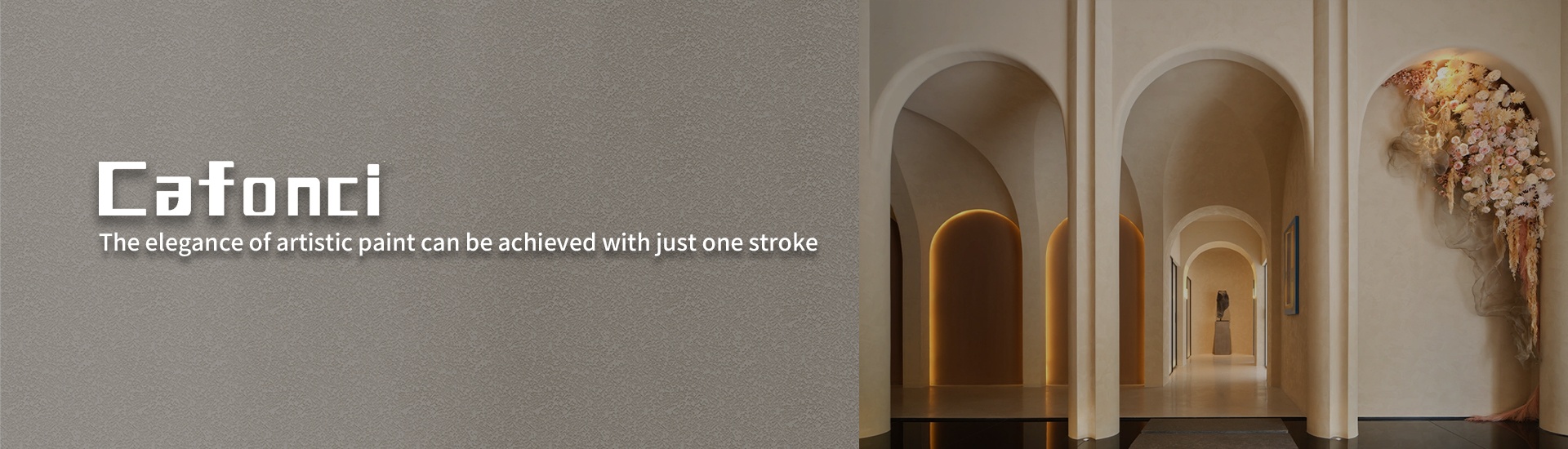
Textured External Wall Coatings: Durability, Aesthetics, And Innovation In Modern Building Protection(Image1)

#What Are Textured External Wall Coatings?

Textured external wall coatings are formulated with a base of polymers, pigments, and inert materials such as sand, quartz, or ceramic beads, which impart a distinct texture to the applied surface. This texture can range from subtle sand-like grains to bold,浮雕 (relief) patterns, mimicking natural materials like stone, brick, or even wood. Advanced formulations may also include弹性 polymers (elastic polymers) to enhance flexibility, preventing cracks caused by thermal expansion or structural movement. Unlike conventional paints, their thicker consistency and uneven surface distinguish them, offering both protective and decorative benefits.

#Key Advantages of Textured Coatings

1. Enhanced Durability

The textured structure inherently strengthens the coating’s resistance to wear and tear. Aggregates within the formula act as a physical barrier, reducing impact damage from hail, debris, or accidental knocks. Additionally, the uneven surface scatters UV radiation, minimizing color fading and prolonging the coating’s lifespan—critical for buildings in harsh climates with intense sunlight or frequent rainfall. Many textured coatings also boast superior adhesion, reducing peeling and flaking compared to smooth alternatives.

2. Aesthetic Versatility

One of the most compelling reasons for choosing textured coatings is their ability to elevate a building’s appearance. With a spectrum of textures—from fine sand finishes to coarse stone-like surfaces—and a vast color palette, they cater to diverse architectural styles. Modern designs often favor minimalist, matte textures for a sleek look, while traditional or rustic projects may opt for deeper, more organic patterns. Customization is further enhanced by application techniques: spray guns create uniform textures, while hand-troweling allows for artisanal, one-of-a-kind designs.

3. Functional Benefits

Beyond durability and beauty, textured coatings offer practical advantages. Their porous yet water-resistant structure can repel rainwater, reducing moisture penetration and mold growth. The texture also provides mild sound insulation by disrupting sound waves, a subtle but valuable feature for urban buildings. Additionally, textured surfaces are less prone to showing minor scratches or dirt, as the unevenness hides imperfections better than smooth walls.

4. Environmental Compatibility

As sustainability becomes a priority in construction, many textured coatings now feature eco-friendly formulations. Water-based options with low volatile organic compounds (VOCs) minimize indoor and outdoor air pollution, aligning with green building certifications like LEED. Some products even incorporate recycled aggregates, reducing reliance on virgin materials and lowering carbon footprints.

#Applications Across Building Types

Textured external wall coatings are versatile enough to suit various structures:

- Residential Buildings: Homeowners use them to add curb appeal, with textures like “stucco-look” or “pebble finish” complementing suburban or coastal homes.

- Commercial Spaces: Malls, hotels, and offices often adopt bold textures to stand out, using metallic or stone-like finishes to convey luxury or modernity.

- Historical Renovations: For heritage buildings, textured coatings can replicate traditional materials (e.g., lime wash or roughcast) while adding protective layers, preserving architectural integrity.

- Industrial Facilities: Factories and warehouses benefit from heavy-duty textured coatings, which resist abrasion and chemical exposure.

#Choosing the Right Textured Coating

Selecting the ideal product requires considering:

- Climate Adaptability: In humid regions, prioritize moisture-resistant formulas; in sunny areas, opt for UV-stable pigments.

- Architectural Harmony: The texture should align with the building’s style—minimalist designs pair well with fine sand textures, while Gothic revivals may suit deeper relief patterns.

- Maintenance Needs: Coarser textures may trap dust, requiring periodic power washing, whereas smoother textures are easier to clean.

- Certifications: Look for labels like “low-VOC” or “waterproof” to ensure performance and compliance with local regulations.

#Installation and Maintenance Tips

Proper application is key to maximizing textured coatings’ benefits. Surface preparation involves cleaning walls, repairing cracks, and applying a primer to ensure adhesion. Depending on the texture, tools like sprayers, rollers, or trowels are used—thicker textures may require multiple coats. Post-application, allow adequate drying time (typically 24–48 hours) before exposing to weather. Maintenance is straightforward: occasional rinsing with water and touch-ups for chips or fading every 5–10 years, depending on wear.

#Future Trends in Textured Coatings

Innovation continues to drive the industry. Nanotechnology is being integrated to enhance stain resistance, while “self-healing” coatings with microcapsules of repair agents may soon fix small cracks autonomously. Digital design tools also allow custom texture patterns, enabling architects to create unique, site-specific aesthetics. As demand for sustainable solutions grows, bio-based binders and carbon-capturing additives are emerging, making textured coatings even more eco-conscious.

In conclusion, textured external wall coatings represent a fusion of form and function, offering durability, beauty, and sustainability for modern buildings. Whether upgrading a home or designing a commercial landmark, their versatility and performance make them a smart investment in both protection and visual appeal. As technology advances, these coatings will only become more adaptable, ensuring they remain a cornerstone of innovative architectural design.


Leave Your Message


Leave a message

We use cookie to improve your online experience. By continuing to browse this website, you agree to our use of cookie.

Cookies

Please read our Terms and Conditions and this Policy before accessing or using our Services. If you cannot agree with this Policy or the Terms and Conditions, please do not access or use our Services. If you are located in a jurisdiction outside the European Economic Area, by using our Services, you accept the Terms and Conditions and accept our privacy practices described in this Policy.
We may modify this Policy at any time, without prior notice, and changes may apply to any Personal Information we already hold about you, as well as any new Personal Information collected after the Policy is modified. If we make changes, we will notify you by revising the date at the top of this Policy. We will provide you with advanced notice if we make any material changes to how we collect, use or disclose your Personal Information that impact your rights under this Policy. If you are located in a jurisdiction other than the European Economic Area, the United Kingdom or Switzerland (collectively “European Countries”), your continued access or use of our Services after receiving the notice of changes, constitutes your acknowledgement that you accept the updated Policy. In addition, we may provide you with real time disclosures or additional information about the Personal Information handling practices of specific parts of our Services. Such notices may supplement this Policy or provide you with additional choices about how we process your Personal Information.


Cookies

Cookies are small text files stored on your device when you access most Websites on the internet or open certain emails. Among other things, Cookies allow a Website to recognize your device and remember if you've been to the Website before. Examples of information collected by Cookies include your browser type and the address of the Website from which you arrived at our Website as well as IP address and clickstream behavior (that is the pages you view and the links you click).We use the term cookie to refer to Cookies and technologies that perform a similar function to Cookies (e.g., tags, pixels, web beacons, etc.). Cookies can be read by the originating Website on each subsequent visit and by any other Website that recognizes the cookie. The Website uses Cookies in order to make the Website easier to use, to support a better user experience, including the provision of information and functionality to you, as well as to provide us with information about how the Website is used so that we can make sure it is as up to date, relevant, and error free as we can. Cookies on the Website We use Cookies to personalize your experience when you visit the Site, uniquely identify your computer for security purposes, and enable us and our third-party service providers to serve ads on our behalf across the internet.

We classify Cookies in the following categories:
 ●  Strictly Necessary Cookies
 ●  Performance Cookies
 ●  Functional Cookies
 ●  Targeting Cookies


Cookie List
A cookie is a small piece of data (text file) that a website – when visited by a user – asks your browser to store on your device in order to remember information about you, such as your language preference or login information. Those cookies are set by us and called first-party cookies. We also use third-party cookies – which are cookies from a domain different than the domain of the website you are visiting – for our advertising and marketing efforts. More specifically, we use cookies and other tracking technologies for the following purposes:

Strictly Necessary Cookies
These cookies are necessary for the website to function and cannot be switched off in our systems. They are usually only set in response to actions made by you which amount to a request for services, such as setting your privacy preferences, logging in or filling in forms. You can set your browser to block or alert you about these cookies, but some parts of the site will not then work. These cookies do not store any personally identifiable information.

Functional Cookies
These cookies enable the website to provide enhanced functionality and personalisation. They may be set by us or by third party providers whose services we have added to our pages. If you do not allow these cookies then some or all of these services may not function properly.

Performance Cookies
These cookies allow us to count visits and traffic sources so we can measure and improve the performance of our site. They help us to know which pages are the most and least popular and see how visitors move around the site. All information these cookies collect is aggregated and therefore anonymous. If you do not allow these cookies we will not know when you have visited our site, and will not be able to monitor its performance.

Targeting Cookies
These cookies may be set through our site by our advertising partners. They may be used by those companies to build a profile of your interests and show you relevant adverts on other sites. They do not store directly personal information, but are based on uniquely identifying your browser and internet device. If you do not allow these cookies, you will experience less targeted advertising.

How To Turn Off Cookies
You can choose to restrict or block Cookies through your browser settings at any time. Please note that certain Cookies may be set as soon as you visit the Website, but you can remove them using your browser settings. However, please be aware that restricting or blocking Cookies set on the Website may impact the functionality or performance of the Website or prevent you from using certain services provided through the Website. It will also affect our ability to update the Website to cater for user preferences and improve performance. Cookies within Mobile Applications

We only use Strictly Necessary Cookies on our mobile applications. These Cookies are critical to the functionality of our applications, so if you block or delete these Cookies you may not be able to use the application. These Cookies are not shared with any other application on your mobile device. We never use the Cookies from the mobile application to store personal information about you.

If you have questions or concerns regarding any information in this Privacy Policy, please contact us by email at . You can also contact us via our customer service at our Site.