English
 简体中文
简体中文Products Description
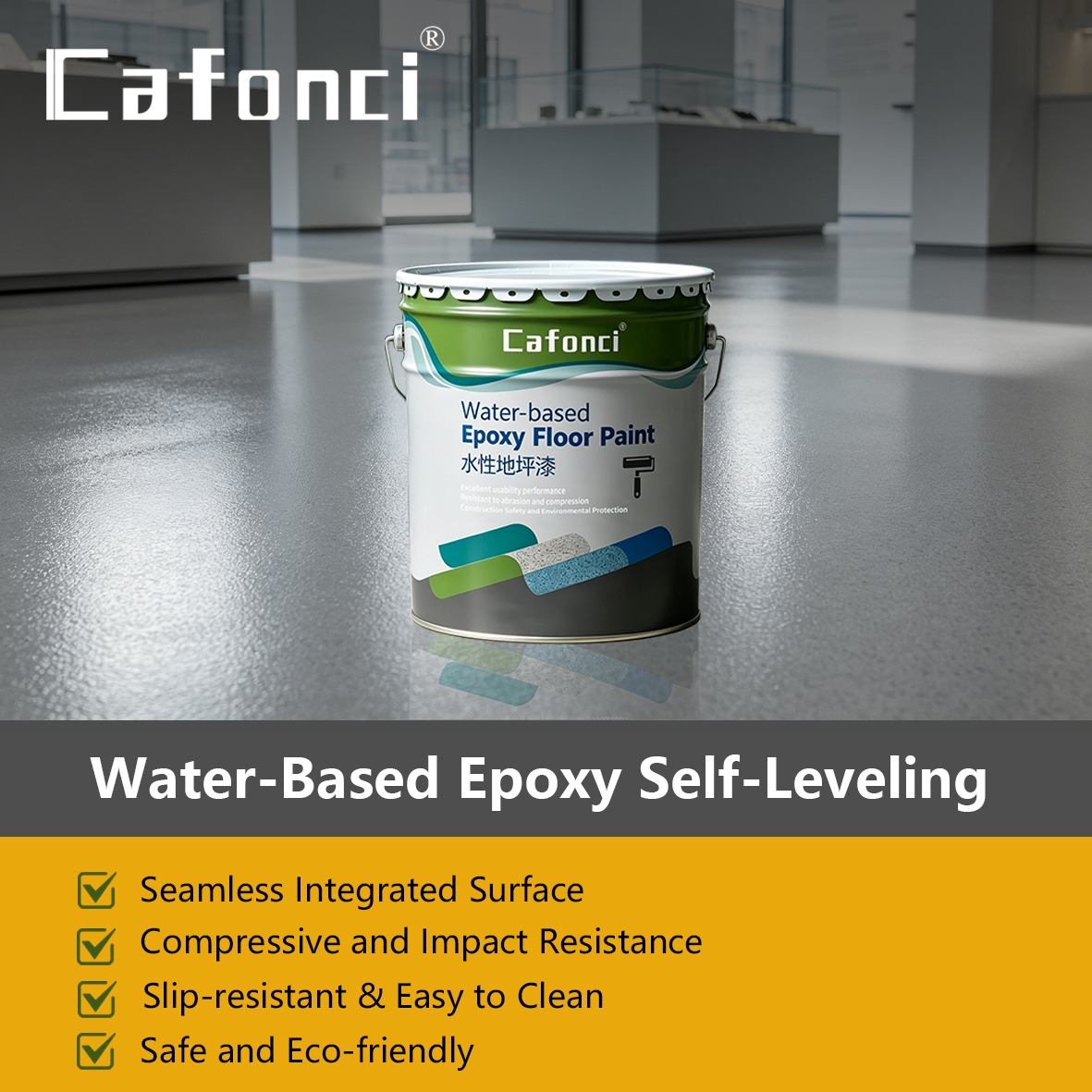
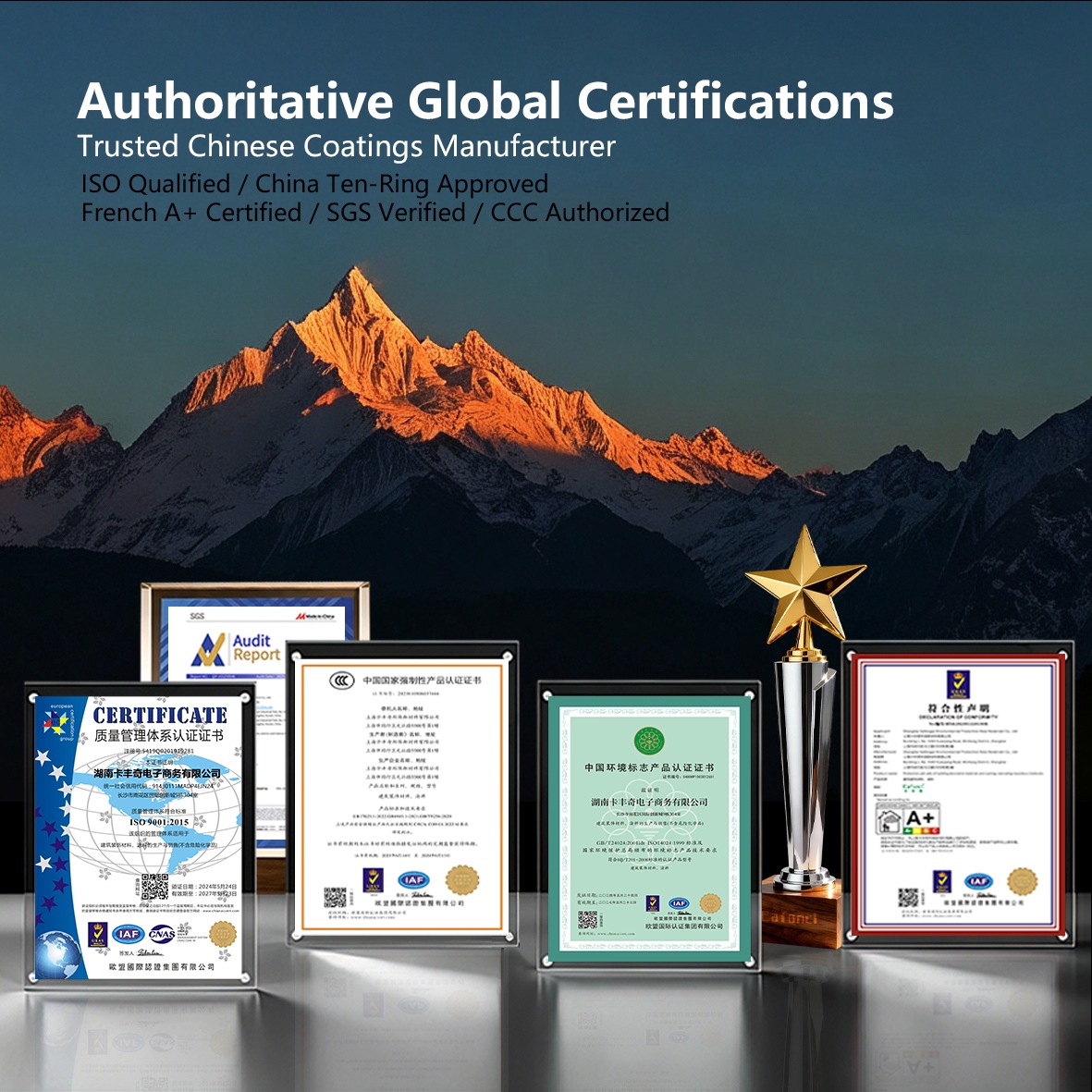
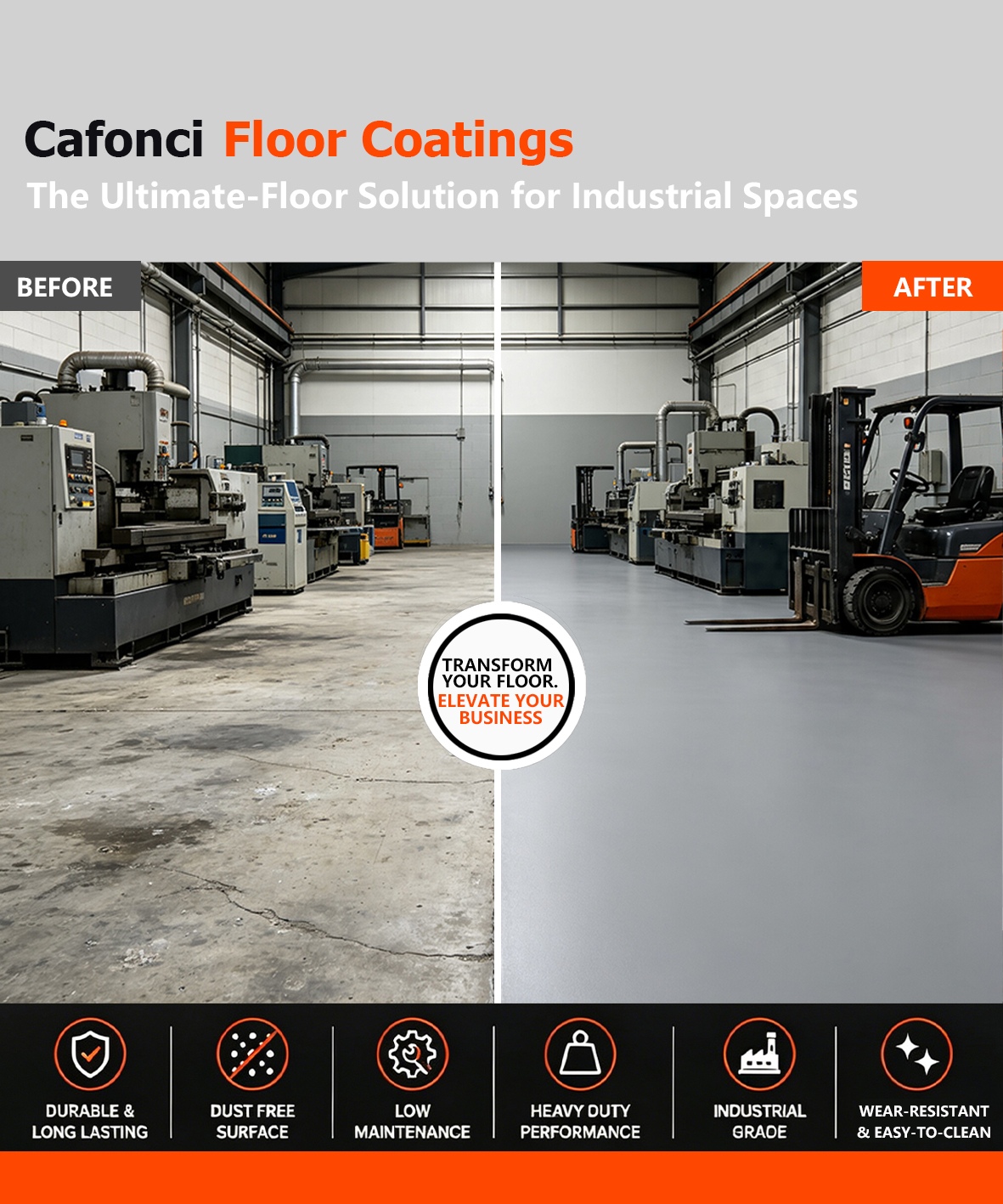
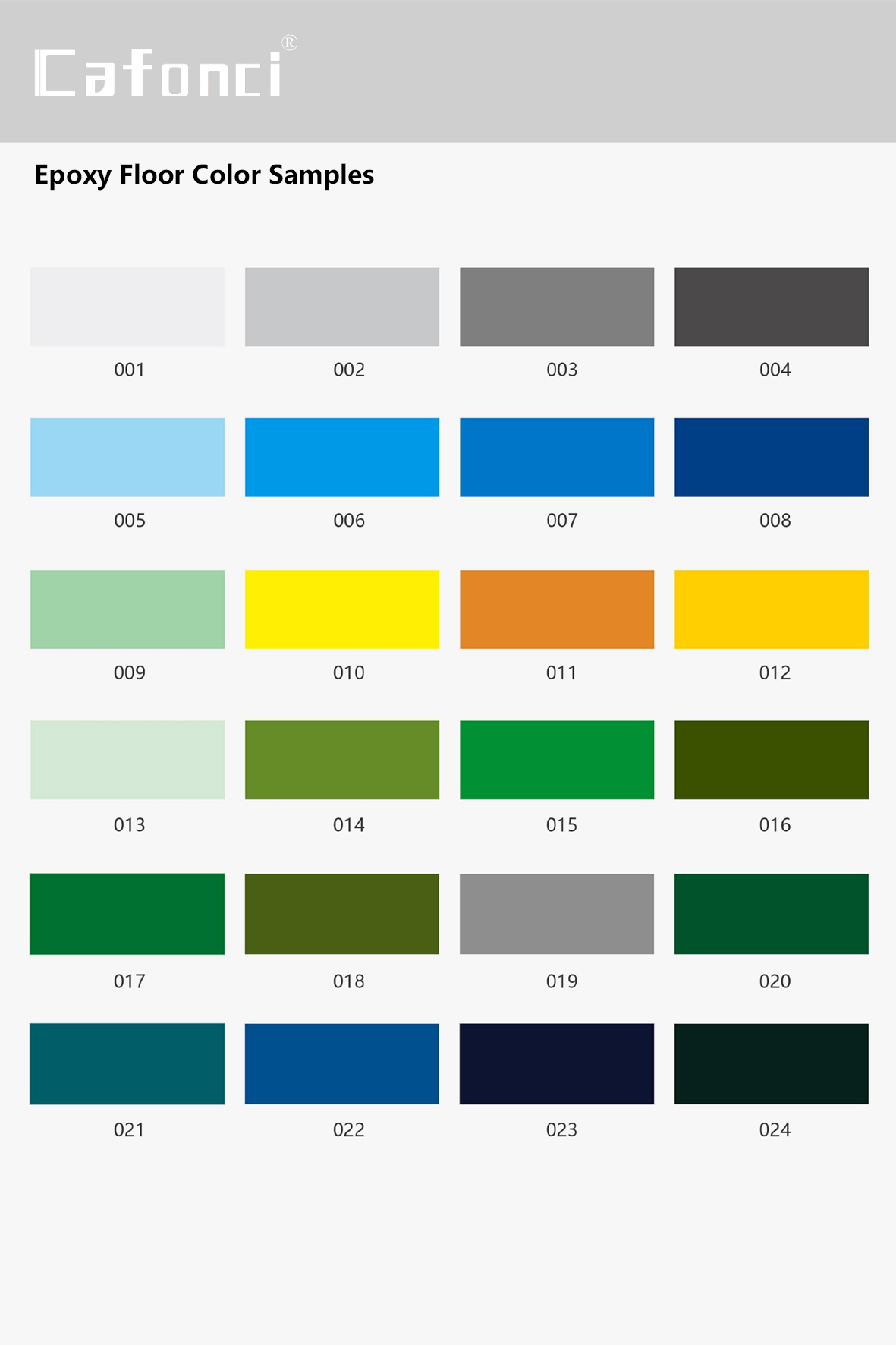

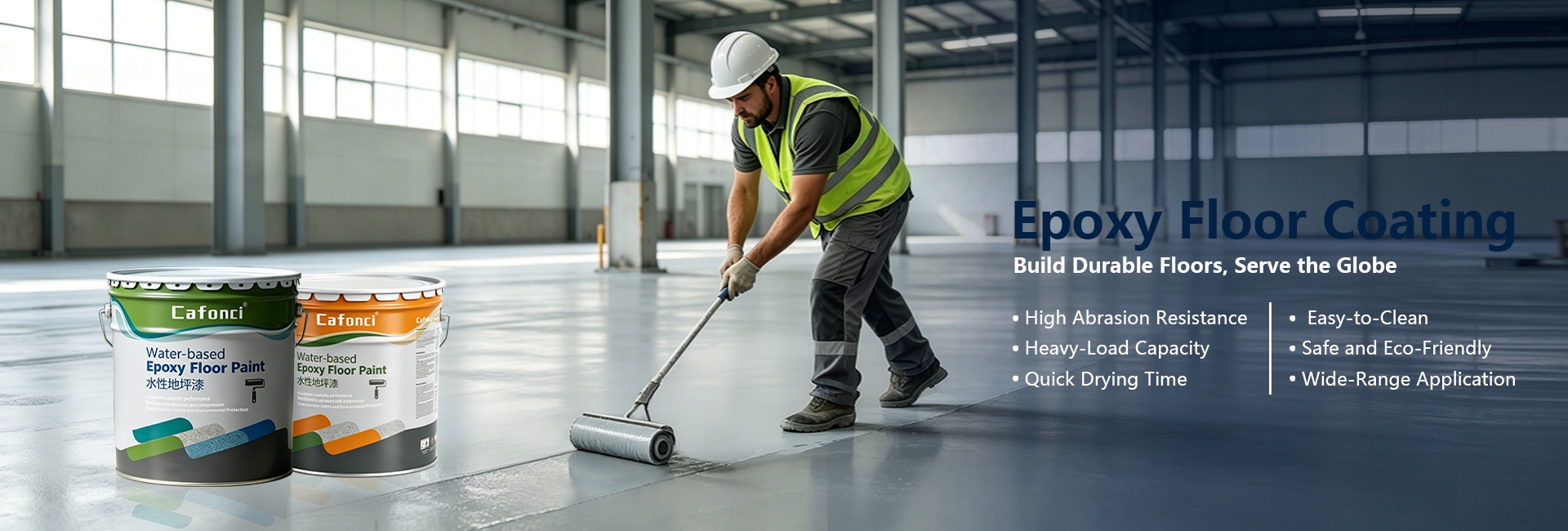
Water-Based Epoxy Self-Leveling-Nigeria
Water-Based Epoxy Self-Leveling-Nigeria
Water-Based Epoxy Self-Leveling-Nigeria
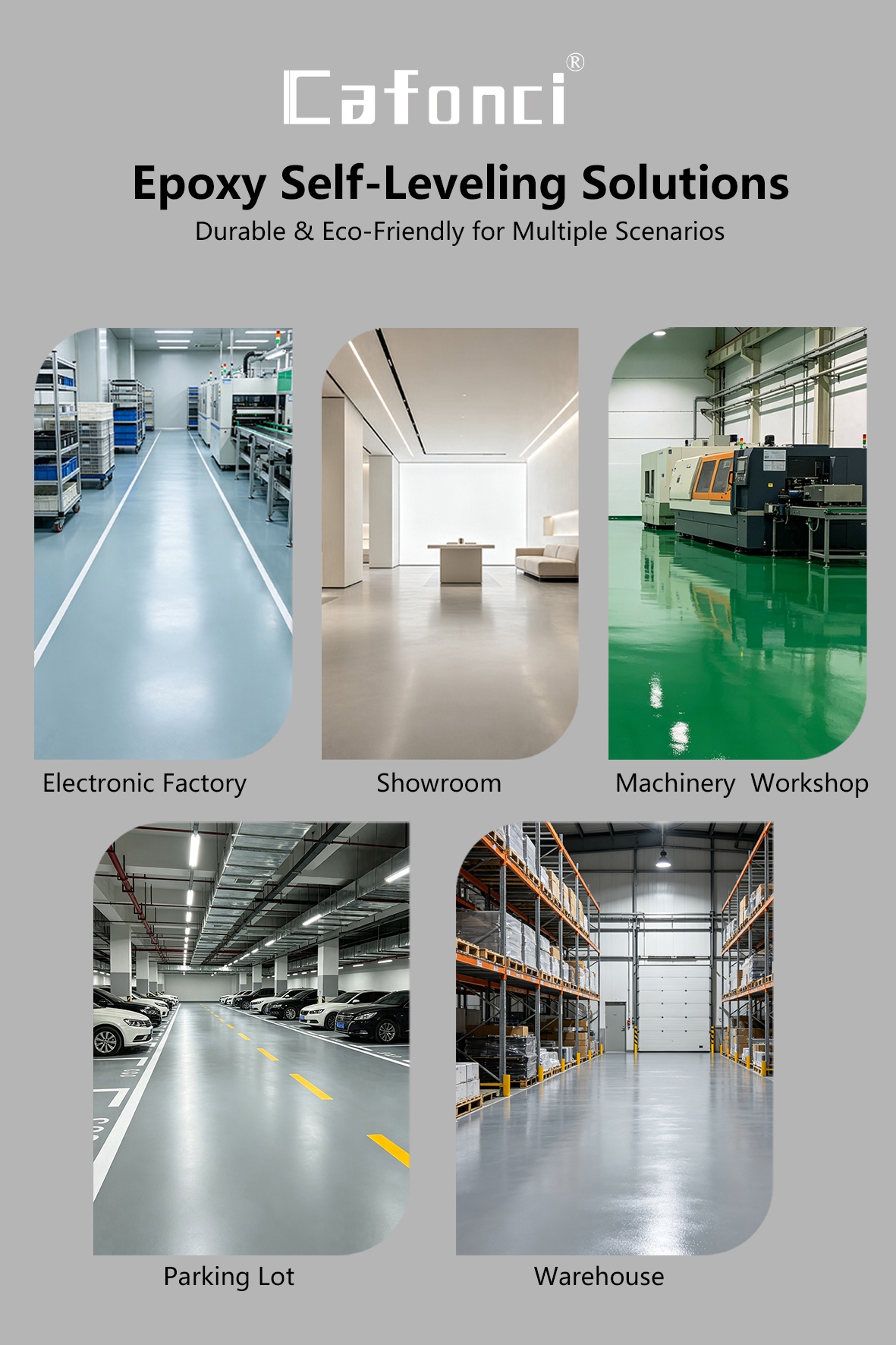
Gangting products are widely used in residential areas, property, real estate, transportation facilities, schools, shopping malls, streets, hotels, parking lots and other places.
What technical support do you provide post-purchase?
Our team offers 24/7 troubleshooting, on-site application guidance (for bulk orders), and access to digital resources (e.g., installation videos, SDS). Custom training sessions are available for OEM partners.
Are your products suitable for food-grade or pharmaceutical facilities?
Yes. We offer FDA-compliant epoxy coatings with low VOC content, which is ideal for sterile environments. Certifications and technical datasheets are available upon request.
What is the shelf life of unopened epoxy topcoat materials?
Unmixed components (resin and hardener) have a 12–18 month shelf life when stored in cool, dry conditions. Once mixed, the material must be used within 30 minutes to 2 hours, depending on temperature.
Can your topcoats integrate decorative elements like color flakes or metallic pigments?
Absolutely. We supply holographic glitters, quartz sands, and mica powders for aesthetic customization. These additives are added during the middle-layer stage to enhance durability and visual appeal.
What are the critical steps in the application process for epoxy self-smoothing finishes?
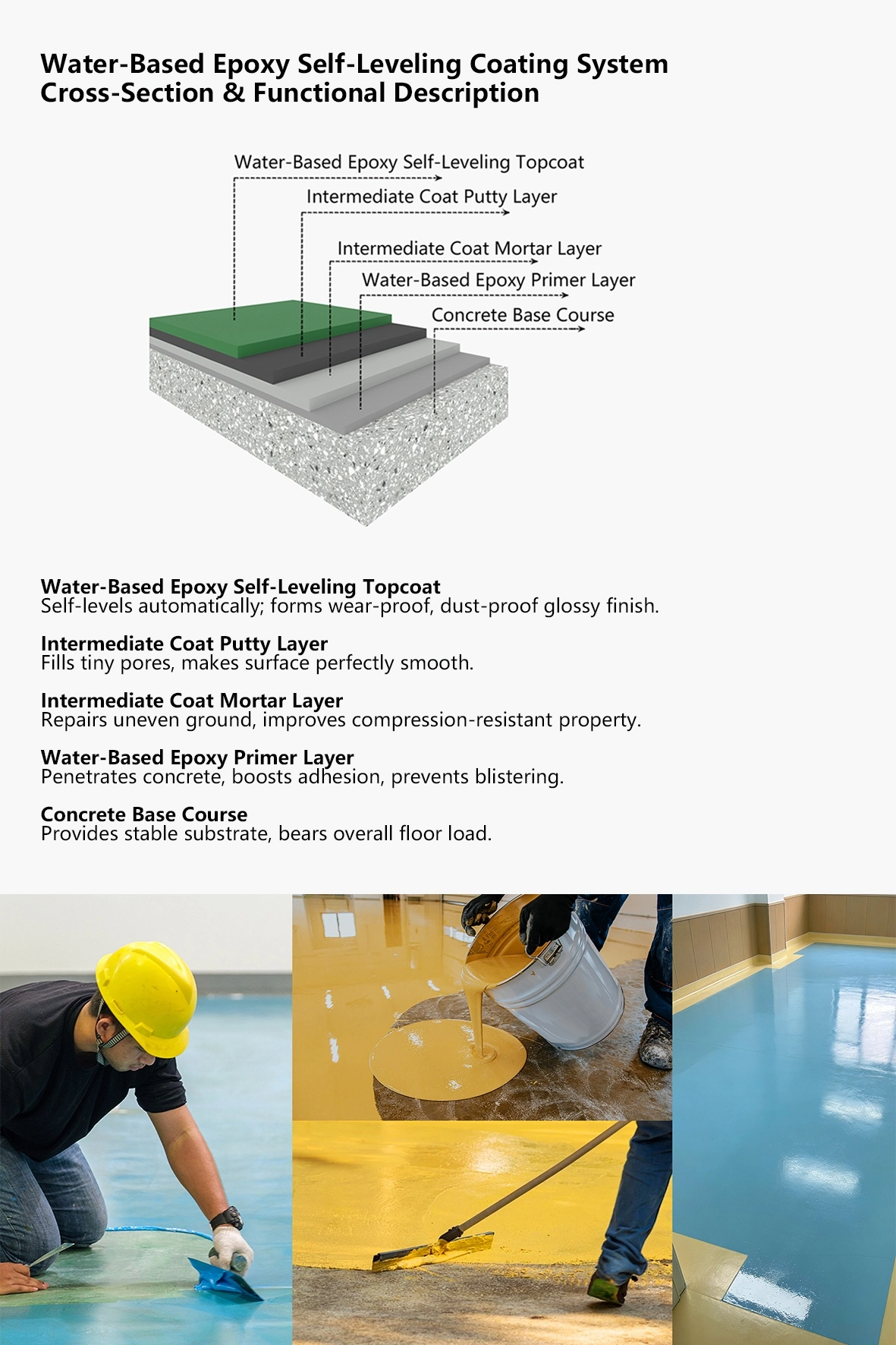
The process involves four stages: substrate preparation, primer coating, middle-layer application, and topcoat finishing. Concrete surfaces must be dry (moisture <10%), flat (≤2mm drop/2m), and free of contaminants. Primer and middle layers are mixed with curing agents (4:1 or 5:1 ratios) and applied with rollers or trowels. The final topcoat requires precise thickness control using serrated tools and defoaming rollers to eliminate bubbles. Full curing takes ~7 days, depending on temperature.
What are the chemical resistance properties of your epoxy flooring systems?
Our industrial-grade self-leveling formulations offer excellent resistance to various chemicals, including diluted acids, alkalis, solvents, oils, and fuels. The self-leveling topcoat series provides superior resistance to harsh chemicals commonly found in manufacturing environments. We can provide comprehensive chemical resistance charts upon request.
What is the recommended application thickness for your self-leveling systems?
Cafonci self-leveling epoxy topcoats perform optimally at 2-3mm thickness for commercial applications and 3-5mm for industrial environments with heavy traffic. Our premium 9000 Series can be applied up to 8mm in single application when higher build is required.
What surface preparation is required before applying your self-leveling epoxy topcoat?
For optimal adhesion, substrates must be clean, dry, and free of contaminants. We recommend mechanical preparation methods such as diamond grinding or shot blasting to achieve CSP 3-4 profile. Our paint require concrete moisture content below 4% and relative humidity below 75%. For specific project requirements, our technical team can provide customized preparation guidelines.
What are other names for waterborne polyurethane mortar flooring systems?
Waterborne polyurethane mortar flooring may also be referred to as water-based polyurethane cement flooring, waterborne PU mortar flooring, polyurethane cementitious flooring, PU mortar floor system, or waterborne PU concrete flooring. These terms are often used interchangeably in industrial flooring specifications.