English
 简体中文
简体中文 لالعربية
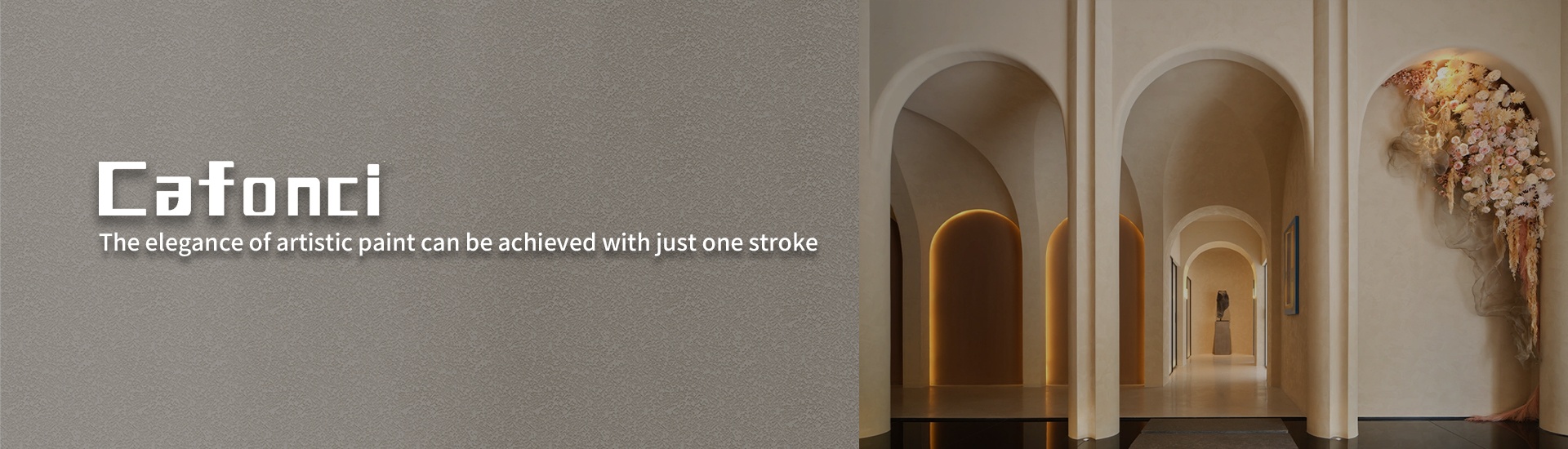
Exterior walls serve as the first line of defense for any building, shielding it from harsh weather, UV rays, and daily wear and tear. In recent years, textured coating has emerged as a popular choice for exterior wall finishes, combining functional benefits with visual appeal. Unlike smooth paints, textured coating adds depth and dimension to surfaces, transforming ordinary walls into striking architectural features while providing long-lasting protection.
At its core, textured coating for exterior walls is a specialized finish designed to create a non-uniform surface texture. It is typically composed of a base material—such as acrylic, silicone, or elastomeric polymers—mixed with aggregates like sand, stone chips, or fibers. This composition not only enhances the coating’s physical strength but also allows for a wide range of textures, from subtle sand-like grains to bold, three-dimensional patterns. The result is a finish that not only looks distinctive but also performs better than traditional paints in demanding outdoor environments.
One of the primary advantages of textured coating is its exceptional durability. Exterior walls face constant exposure to extreme weather conditions, including heavy rain, strong winds, freezing temperatures, and intense sunlight. Textured coatings are engineered to withstand these challenges: their flexible formulas resist cracking and peeling, even as the building expands and contracts with temperature changes. The aggregates in the coating also add thickness, providing an extra layer of insulation and reducing heat transfer, which can lower energy costs by keeping interiors cooler in summer and warmer in winter.
Beyond durability, textured coating offers unmatched aesthetic versatility. Whether aiming for a rustic, natural stone look, a modern industrial finish, or a soft, Mediterranean-style texture, there is a textured coating to suit every architectural style. Homeowners and designers can choose from a spectrum of colors, from earthy neutrals to vibrant hues, and customize textures to complement the building’s overall design. For example, a coastal home might opt for a light, sandy texture in pale blue to mimic the beach, while a contemporary office building could use a bold, geometric texture in charcoal gray for a sleek, urban feel. This versatility makes textured coating ideal for both residential and commercial properties, adding curb appeal and increasing property value.
Water resistance is another key benefit of textured coating. Many exterior walls suffer from water damage, such as mold growth, efflorescence, or structural weakening due to moisture infiltration. Textured coatings, especially those with elastomeric or silicone bases, create a seamless, breathable barrier that repels water while allowing trapped moisture to escape. This prevents water from seeping into the wall substrate, protecting the building’s structural integrity and reducing maintenance costs over time. Additionally, the textured surface is less prone to showing dirt and stains compared to smooth finishes, making it easier to clean and maintain—an important consideration for busy homeowners or property managers.
Environmental sustainability is also a growing concern in construction, and textured coating aligns with eco-friendly practices. Many modern textured coatings are low in volatile organic compounds (VOCs), reducing harmful emissions and improving indoor air quality. Some formulations even incorporate recycled materials or reflective pigments that minimize heat absorption, contributing to energy efficiency. By choosing a sustainable textured coating, property owners can reduce their environmental footprint while still enjoying the coating’s functional and aesthetic benefits.
When selecting a textured coating for exterior walls, several factors should be considered. Climate plays a crucial role: regions with heavy rainfall or extreme temperature fluctuations may require more flexible, water-resistant coatings, such as elastomeric options. For areas with high UV exposure, coatings with UV-stabilizing additives will prevent fading and degradation. Building style is another consideration; a historic home might benefit from a subtle, traditional texture, while a modern structure could embrace bold, artistic patterns. Budget is also a factor, as prices vary based on material quality and texture complexity, but investing in a high-quality coating often pays off in reduced maintenance and longer lifespan.
Application of textured coating requires careful preparation and technique to ensure optimal results. Before applying, the wall surface must be clean, dry, and free of cracks or debris. Any existing paint or loose material should be removed, and minor repairs (such as filling cracks with mortar) should be completed. The coating is typically applied using tools like sprayers, rollers, or trowels, depending on the desired texture. For example, a sprayer might be used for a fine, uniform texture, while a trowel can create thicker, more sculptural patterns. Multiple coats may be needed to achieve the desired depth, and proper drying time between coats is essential to prevent peeling or bubbling. Hiring a professional contractor with experience in textured coating application can ensure a smooth, long-lasting finish, especially for complex textures or large surfaces.
The impact of textured coating extends beyond functionality and aesthetics; it also adds value to a property. A well-executed textured finish enhances curb appeal, making a building more attractive to potential buyers or tenants. In commercial settings, unique textures can help a business stand out, reinforcing brand identity and creating a memorable visual impression. For homeowners, textured coating offers a cost-effective alternative to expensive materials like stone or brick, providing a similar look at a fraction of the cost.
In conclusion, textured coating for exterior walls is a versatile, practical, and visually appealing solution for protecting and enhancing building exteriors. Its combination of durability, weather resistance, aesthetic flexibility, and environmental benefits makes it a top choice for property owners looking to balance form and function. By selecting the right type of coating, preparing the surface properly, and ensuring skilled application, textured coating can transform ordinary exterior walls into durable, beautiful features that stand the test of time. Whether for a residential home, commercial building, or public structure, textured coating proves that exterior finishes can be both hardworking and visually stunning.