English
 简体中文
简体中文 لالعربية
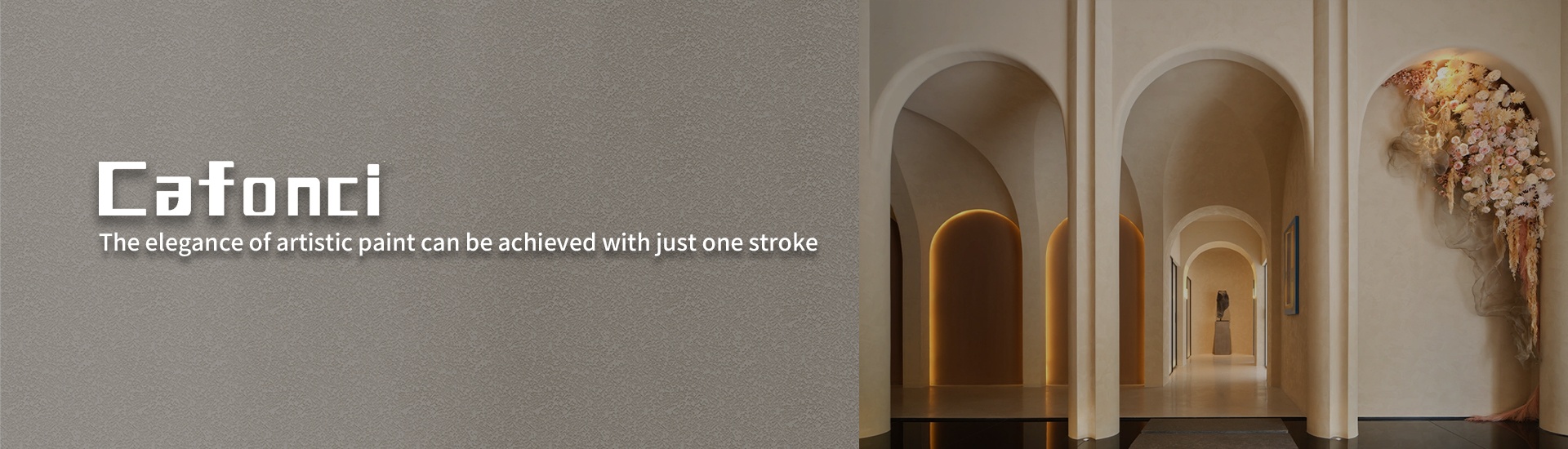
.jpg "One-Coat Interior Paint: Get Professional-Looking Walls Without the Hassle(Image1)")
Painting interior walls is a classic way to refresh your home, but traditional paints often turn DIY projects into chores. Waiting for multiple coats to dry, reloading rollers, and fixing uneven coverage can drain your energy—until one-coat interior paint changed the game. This innovative solution delivers professional-quality results with just one layer, cutting down on time, effort, and stress for homeowners.
What Makes One-Coat Paint Unique?
One-coat interior paint stands out from traditional options thanks to its advanced formula. It’s packed with higher pigment concentrations and improved binding agents, giving it superior “hiding power.” This means it can cover dark colors, stains, or uneven surfaces in a single application—no need for a second or third coat. Unlike regular paint, which relies on multiple layers to build coverage, one-coat paint is designed to perform at maximum efficiency from the first stroke.
The Top Benefits of One-Coat Interior Paint
1. Massive Time Savings
Traditional painting requires 2–3 coats, each taking 4–6 hours to dry. With one-coat paint, you skip the waiting game: apply once and be done in a fraction of the time. For a 12x12-foot room, that’s 8–12 fewer hours spent on drying and reapplication—freeing you up to enjoy your refreshed space sooner.
2. Cost Efficiency
Less coats mean less paint used. You’ll buy fewer gallons (and avoid wasting leftover paint) while reducing wear on tools like rollers and brushes. Over time, this adds up: one-coat paint often costs slightly more per gallon, but the total project cost is lower than traditional paint + extra supplies.
3. Consistent, Professional Results
Multiple coats increase the risk of brush marks, overlapping streaks, or uneven sheen. One-coat paint eliminates these issues: its smooth, self-leveling formula creates a uniform finish that looks like it was done by a pro. Even first-time DIYers can avoid “patchy” walls or visible roller lines.
4. Minimal Effort
No more climbing ladders multiple times, rewetting your brush, or worrying about missing spots. One-coat paint lets you work faster and more comfortably—ideal for busy families, older adults, or anyone who hates repetitive tasks.
How to Choose the Right One-Coat Paint
Not all one-coat paints are created equal. To get the best results:
- Check the Coverage Rating: Look for labels that list “400+ square feet per gallon”—this indicates strong hiding power.
- Match the Finish to Your Space: Matte for low-traffic areas (bedrooms), satin for high-use rooms (kitchens/bathrooms), and semi-gloss for trim.
- Opt for Primer-Infused Options: If you’re covering dark colors (e.g., deep blue to light beige) or stains, choose a one-coat paint with built-in primer.
- Stick to Reputable Brands: Brands like Behr Marquee, Sherwin-Williams Cashmere, or Valspar Reserve are tested for durability and coverage.
Pro Tips for Applying One-Coat Paint
Even the best paint needs proper prep and technique:
- Prep the Surface: Clean walls with a damp cloth, fill holes with spackle, and sand rough spots. Dirt or debris will show through one-coat paint!
- Use Quality Tools: A microfiber roller (3/8-inch nap) holds more paint and applies it evenly. A synthetic-bristle brush works best for edges.
- Paint in the Right Conditions: Aim for 50–75°F and humidity below 70%. Avoid direct sunlight, which can dry paint too fast.
- Apply Smooth Strokes: Roll vertically (or horizontally) in long, even passes. Don’t overload the roller—excess paint causes drips.
Debunking One-Coat Paint Myths
- Myth: “It only works on light colors.”
Fact: Modern one-coat paints can cover deep reds, blacks, or dark grays—just choose a “high-hiding” formula.
- Myth: “It’s less durable.”
Fact: Top-tier one-coat paints are scratch- and stain-resistant, just like traditional paint.
- Myth: “It’s harder to apply.”
Fact: With prep and the right tools, one-coat paint is easier than traditional paint—you’re doing half the work!
Final Thoughts
One-coat interior paint isn’t just a “trend”—it’s a practical solution for anyone who wants to refresh their home without the hassle. Whether you’re painting a bedroom, living room, or entire house, this paint lets you skip the frustration of multiple coats and get straight to the “wow” factor.
For homeowners tired of endless drying times and uneven results, one-coat paint is the answer: professional-looking walls with minimal effort. Grab a roller, pick your color, and transform your space in a single afternoon—no stress required.