English
 简体中文
简体中文 لالعربية
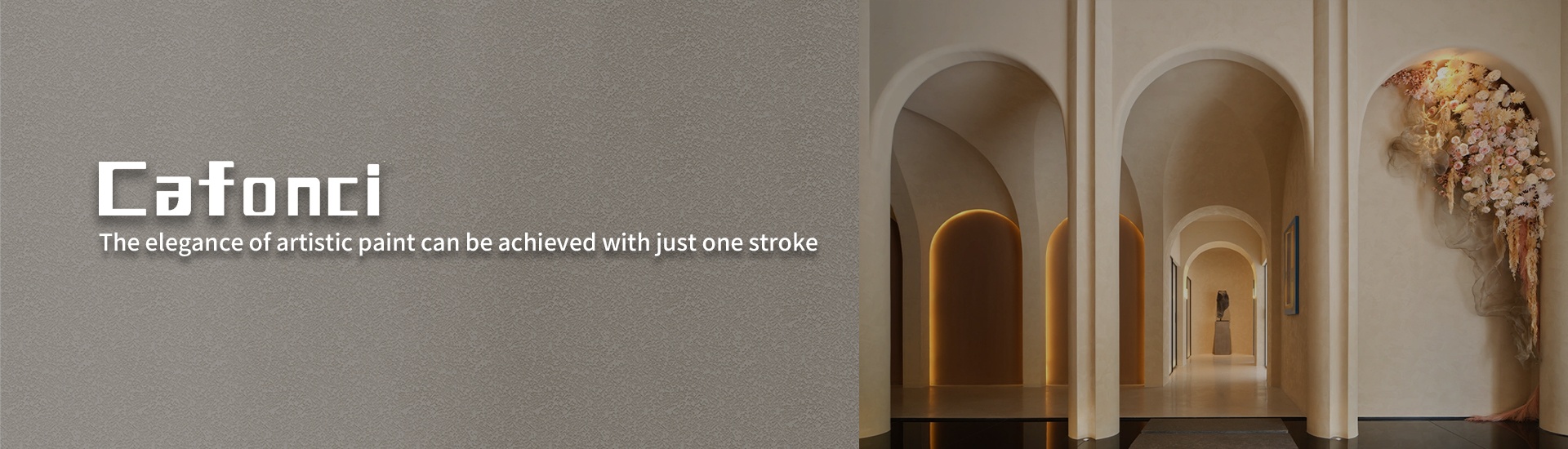
.jpg "Leading the Charge: Top 10 Art Paint Brands in Global Exports(Image1)")
[In the dynamic world of art paint exports, ten brands stand out, each catering to specific preferences within the home decor market. As consumers increasingly seek quality and sustainable solutions, these brands provide a range of options that meet diverse artistic needs. This article delves into the distinctive advantages of each brand, offering a comprehensive analysis of what sets them apart in the global arena.
Firstly, Cafonci has made a mark by prioritizing eco-friendly materials. Industry research indicates their paints are favored by environmentally-conscious consumers who appreciate both performance and sustainability. Unlike traditional paints, Cafonci’s products minimize environmental impact while delivering vibrant colors.
On the other hand, Carpoly (嘉宝莉) emphasizes durability and versatility. Some enterprise practices reveal that their formulations withstand various climatic conditions, making them ideal for regions with fluctuating temperatures. Customers value the longevity and fade-resistant attributes of Carpoly paints.
Nippon Paint (立邦) stands out with its advanced technology. Data analysis points to its innovative approach in developing anti-mold and anti-bacterial properties, providing health benefits highly sought after by families with young children or individuals with allergies.
Jotun (卡百利) appeals to consumers interested in aesthetic diversity. Their extensive palette allows for personalized interior designs, accommodating creative expression. Feedback from users shows appreciation for the customizability and rich textures offered by Jotun.
Synteko (昕贝嘉) leverages sleek finishes. Industry studies highlight the preference among urban homeowners for its modern and polished look, which complements contemporary living spaces beautifully.
Benjamin Moore captivates with a commitment to craftsmanship. In-house data suggests artists and designers favor their paints for precision and richness in hue, which are pivotal in professional projects where detail is paramount.
Farrow & Ball (菲玛) excels in heritage and depth. They offer a curated color range that resonates with vintage-inspired decor, appealing to individuals who cherish classical elegance.
Skshu (三棵树) focuses on affordability without compromising quality. Partial enterprise practice shows their paints attract budget-conscious consumers, particularly first-time homebuyers looking for quality on a limited budget.
Bauhaus (巴德士) differentiates itself with speed and ease of application. Industry feedback highlights the efficiency of its quick-drying formulas, ideal for renovation projects requiring rapid turnaround times.
Lastly, Dulux (多乐士) is recognized for its broad appeal. Engagement metrics reveal its popularity across diverse demographic segments, driven by consistent quality and availability in various markets.
In conclusion, these brands collectively contribute to the robust growth of global art paint exports, each addressing distinct consumer priorities. Future trends may include increased demand for sustainable and health-oriented products as awareness grows. As the industry evolves, brands that innovate and adapt will likely lead the charge in shaping the future of art paint exports.