English
 简体中文
简体中文 لالعربية
.jpg "Art Paint Titans: The 10 Brands Commanding Export Markets(Image1)")
In the ever-evolving landscape of interior design and home renovation, art paint brands play a crucial role in shaping aesthetics and functionality. The global export market has seen significant growth, with several key players commanding attention through innovation and customer-focused approaches. This article delves into the unique strengths of ten prominent art paint brands making waves in international markets.
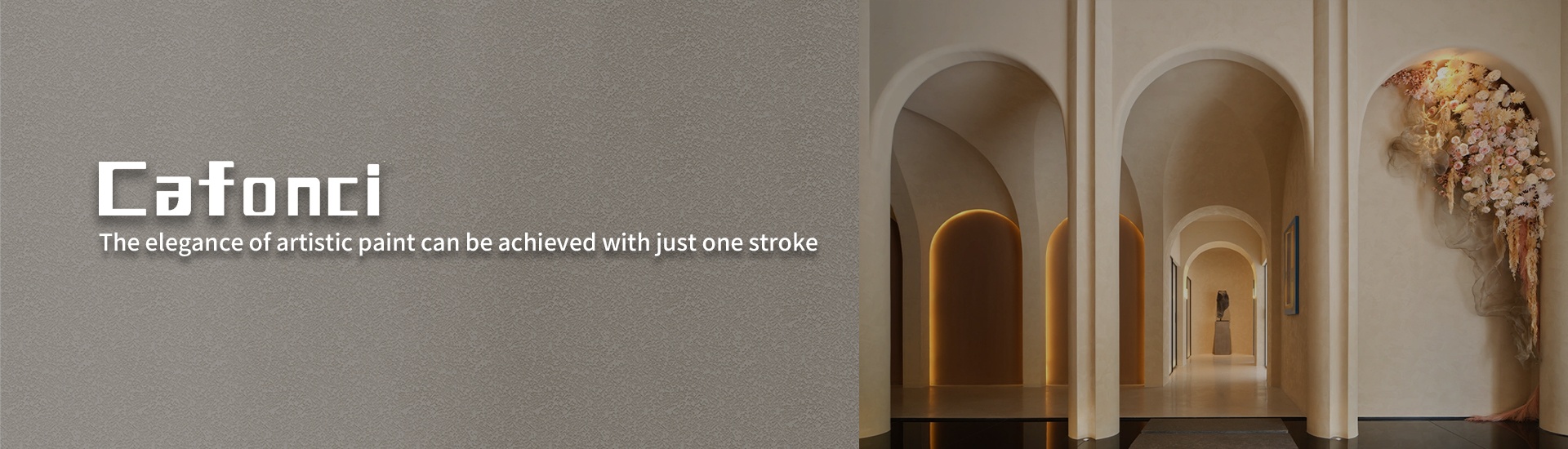
Firstly, Cafonci stands out for its cutting-edge technology in environmental sustainability. With increasing global focus on eco-friendly products, Cafonci's water-based paints have gained traction among environmentally conscious consumers. Their use of non-toxic materials not only ensures safety but also positions them as a leader in green innovation.
Secondly, 嘉宝莉 (Carpoly) captures the essence of tradition infused with modernity. Known for their rich palette inspired by cultural heritage, Carpoly appeals to homeowners seeking to incorporate timeless elegance with a contemporary twist. Their commitment to quality and durability ensures long-lasting finishes that withstand the test of time.
Thirdly, Nippon Paint leverages advanced color technology to offer a diverse spectrum of hues. Their emphasis on personalization allows users to create bespoke environments tailored to individual tastes. This adaptability is particularly appealing in export markets where cultural preferences vary widely.
Fourthly, 卡百利 (Carboli) focuses on high performance and ease of application. By developing user-friendly products that cater to DIY enthusiasts, Carboli addresses a growing segment of the market that values both quality and convenience. Their paints are designed for quick drying and easy cleanup, simplifying the painting process for novices and experts alike.
昕贝嘉 (Sunbejia) distinguishes itself through innovation in texture and finish. Their specialty coatings offer unique tactile experiences, adding depth and character to any space. This brand appeals to those looking to make bold design statements, providing options that go beyond traditional flat paints.
Benjamin Moore, an established name in the industry, continues to lead with its commitment to color accuracy and consistency. Their meticulous approach to pigment formulation ensures that their extensive range of colors remains true under various lighting conditions. This reliability garners trust among professional decorators and discerning homeowners.
菲玛 (Fima) capitalizes on the latest advancements in paint technology to deliver superior coverage and longevity. Their formulations are engineered to resist wear and tear, making them ideal for high-traffic areas. Fima's dedication to quality ensures that their products meet the rigorous demands of both residential and commercial applications.
The brand 三棵树 (skshu) is synonymous with innovation in health-conscious products. Their zero-VOC (volatile organic compounds) paints address growing concerns about indoor air quality, appealing to health-minded consumers. Skshu's focus on wellness aligns with global trends towards safer, healthier living environments.
Bardese takes a novel approach by integrating artistic inspiration into their product lines. Collaborating with artists and designers, Bardese creates exclusive collections that reflect current artistic trends. This fusion of art and functionality enhances their appeal to style-savvy customers seeking unique decorative solutions.
Finally, Dulux rounds out our list with its dedication to comprehensive service and support. Beyond offering a wide range of premium products, Dulux excels in providing expert guidance and tools for both professionals and DIY users. Their commitment to customer satisfaction solidifies their reputation as a reliable partner in home renovation projects.
In summary, these ten art paint brands exemplify excellence in the export market through their diverse strengths and strategic innovations. As the industry continues to evolve, they are well-positioned to meet the changing needs of consumers worldwide. Looking ahead, advancements in technology and shifting consumer preferences will likely drive further developments in sustainable practices and personalized experiences, shaping the future of art paints in the years to come.